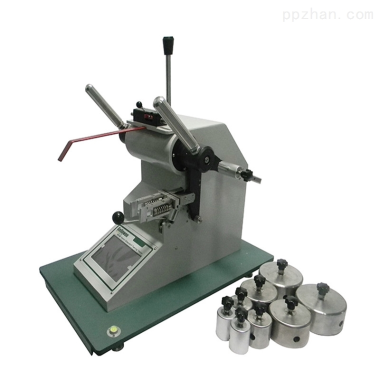
The double pendulum digital tear tester is mainly used to measure the ability of various fabrics (su
WhatsApp : +86 13816217984
Email : info@qinsun-lab.com

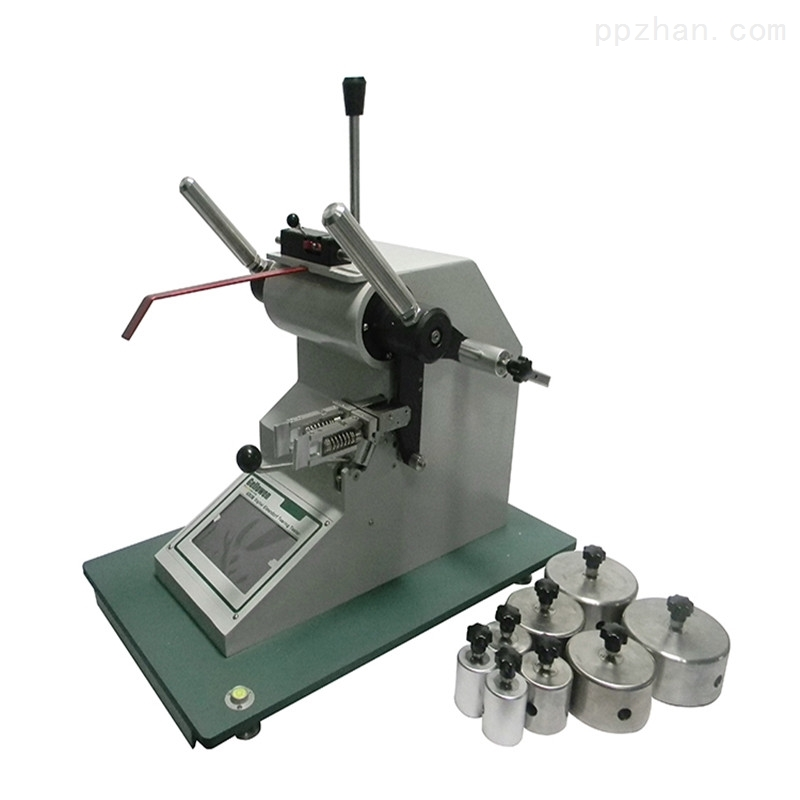
The double pendulum digital tear tester is mainly used to measure the ability of various fabrics (such as clothing fabrics, home textile fabrics, etc.) to resist tearing.
Textile industry:
It is widely used in fabric production and clothing manufacturing to help manufacturers and quality inspection agencies detect fabric quality and ensure that the products meet relevant standards and usage requirements.
Research field:
Researchers use this instrument to study the effects of different fibers, fabric structures and other factors on tearing performance in order to develop new high-performance fabrics.
BS EN ISO 13937 Textiles. Tear properties of fabrics. Determination of tear strength by impact pendulum method (Elmendorf)
BS EN ISO 4674-2 Rubber or plastic coated fabrics. Determination of tear resistance. Impact pendulum method
ASTM D5734 Test method for tear strength of nonwoven fabrics using a falling weight (Elmendorf) test apparatus
GB/T 455 Determination of tear strength of paper and paperboard. Complies with multiple test standards.
BS EN ISO 21974 Plastics. Determination of tear properties by pendulum impact. Part 2. Impact test with measuring instruments.
GB/T 3917.1 Textiles. Tear properties of fabrics. Part 1: Determination of tear strength by impact pendulum method.
ASTM D689-96a Test of tear strength of paper.
TAPPI T414 om-12 paper. Determination of tear strength (Elmendorf method)
ASTM D1424 Impact Pendulum Method for Determining the Tear Strength of Fabrics
NEXT 17 Tear Strength Testing
DIN EN 21974 Paperboard – Determination of Tear Resistance (Elmedorf Method)
DIN EN ISO 13937-1 Textiles – Determination of Tear Properties of Fabrics (Elmedorf Method)
DIN EN ISO 1974 Paper – Tear Resistance – Elmedorf Method
DIN EN ISO 6383-2 Plastics – Films – Part 2: Elmedorf Method
High Precision and Wide Measuring Range:
The dual pendulum structure combined with a calibration system ensures testing accuracy while covering a wide measuring range from low loads (such as thin-film rubber) to high loads (such as heavy fabrics).
Ease of Operation:
A touchscreen LCD interface simplifies operation, while safety pins and two-hand buttons ensure operator safety.
Intelligent Data Processing:
PC connectivity and Excel export functionality support in-depth data analysis, and automatic report printing improves work efficiency.
High Adaptability:
Flexible fixture and combination weight design meet the testing needs of different materials and thicknesses.
Durability and Maintainability:
A weighted base plate and hardened blade design extend the instrument's lifespan and reduce long-term operating costs.
| Parameter | Specification |
|---|---|
| Structure | Elmendorf double impact pendulum |
| Clamp | Spring clamp |
| Sample material | Fabric, plastic, cardboard, etc. |
| Unit of measurement | mN, CN, N, g, kg, lb |
| Notch length | 20mm |
| Tear length | 43mm |
| Clamp spacing | 2.7mm±0.1mm |
| Blade | Tungsten carbide blade |
| Measurement range | 200cN-30000cN |
| Power supply option | 120/230 V, 50/60 Hz, 2A/1A |
| Dimensions | 420mm × 620mm × 430mm |
| Weight | 85kg |
Elmendorf-style dual impact pendulum
Spring-loaded sample holder
Tungsten carbide cutting blade
Multi-weight counterweights (for achieving impact force testing from 200-30000cN)
Digital display unit
1. Sample Preparation
Cut samples to the required dimensions according to the corresponding test standard (e.g., ASTM D1424. GB/T 455. etc.) (applicable to materials such as fabrics, plastics, and cardboard).
2. Sample Clamping
Secure the prepared sample flat on the instrument's spring clamps, ensuring the sample is wrinkle-free and firmly clamped.
3. Sample Cutting
Use a tungsten carbide blade to cut a standard 20mm slit in the sample (matching the instrument's cutting parameters).
4. Counterweight Setting
Install counterweights of appropriate weight according to the required impact force range and adjust the test setting.
5. Instrument Calibration
Zero the instrument without a sample to ensure accurate measurement reference.
6. Test Start
Release the pendulum, using its kinetic energy to apply impact tearing force to the sample until it is torn to the specified length of 43mm.
7. Data Recording
Read the tearing force value displayed on the instrument's digital display to complete a single test.
8. Results statistics
Repeat the test on multiple parallel specimens of the same sample, calculate the average value of the test results, and use it as the final tear resistance data.
Qinsun Instruments Co., LTD is a professional laboratory testing instrument manufacturer in China,Have been focusing on laboratory instrument R&D more than 30 years and have rich industry experience,Based on international testing standards,We are also the instrument supplier for BV SGS laboratory,We provide one-stop solutions for lab instruments,Free Training and Turn-Key Service,Products exported all over the world,Offer 36 month warranty and are a trustworthy partner.

Company Phone
+86-21-6420 0566
Working hours
Monday to Friday
Mobile phone:
13816217984
Email:
info@qinsun-lab.com